- 26597 East River Road Splendora, Tx. 77372 | Mon-Fri 5:30am-8:00pm |
- thesandbox.childcare2023@gmail.com

How Do You Balance AI Learning Tools with Hands-On Play?

Fun Ways to Explore Healthy Eating at the Farmers Market
August 12, 2026
How Can I Prepare My Preschooler for Kindergarten?
August 19, 2026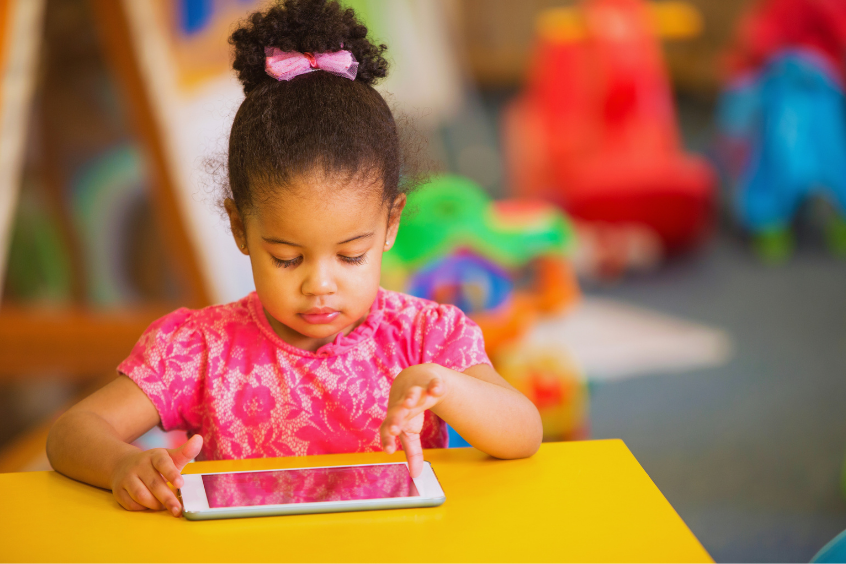
Hands-on play is still the foundation of early childhood learning, even as AI-powered educational tools become more common. Many parents wonder how much technology is appropriate for young children and whether AI can support their development without replacing meaningful play. The key is finding a healthy balance where technology enhances learning while hands-on experiences remain the heart of a child’s day. The best balance keeps hands-on play as the main event and AI tools as a small, occasional supplement. Young children still learn best through movement, touch, and real interaction. Technology can have a place, but it shouldn’t take the lead.
Why Hands-On Play Comes First
Young children learn best through movement, touch, and real social interaction. Physical play builds coordination, problem-solving, and emotional regulation all at once. These foundational skills support every kind of learning that comes later, including with technology.
What Hands-On Play Looks Like
Building with blocks, running outside, and pretend play all count as hands-on learning. These activities engage the whole body, not just the mind. This kind of full-body engagement is something no app can fully replace.
Giving AI Tools A Small, Intentional Role
If you choose to use an AI learning app, keep sessions short and supervised. Treat it as one small piece of your child’s day, not the main activity. Pairing it with a conversation afterward helps connect what they saw to real understanding.
- Prioritize outdoor and hands-on play throughout the day
- Keep any AI tool use short, supervised, and intentional
- Talk with your child about what they experienced afterward
- Notice how your child responds, and adjust as needed
How We Approach This Balance
At The Sandbox Learning Center, movement and hands-on exploration anchor our daily activities. It’s the same idea behind why kids learn best on their feet. Our play-based preschool program in Splendora, TX always puts hands-on learning before any screen-based tool.

FAQ
Is it okay for my young child to use an AI learning app at all?
In moderation, and with supervision, most children can use one occasionally. The key is keeping sessions brief and balanced with plenty of hands-on play. Watch how your child responds and adjust from there.
How much hands-on play does my child actually need each day?
Most of a young child’s day should involve movement, play, and real interaction. There’s no strict formula, but hands-on activities should always outweigh screen time. Aim for AI tools to stay a small, occasional addition.
What are signs that a learning app isn’t a good fit?
Watch for frustration, disinterest, or resistance to stopping the app. If your child seems more engaged by hands-on activities, that’s a helpful sign. Trust your observations over any app’s marketing claims.
Key Takeaways
- Hands-on play builds coordination and problem-solving in ways screens can’t.
- AI tools work best as a small, occasional supplement, not the main activity.
- Supervision and follow-up conversation help connect app content to real understanding.
- At Sandbox, movement and hands-on exploration always come first.
Curious how we balance play, movement, and technology at our center? Visit our classrooms in Splendora, TX and see for yourself.
The Sandbox Learning Center
📞 +281-399-7007
🌐 www.thesandboxlearningcenter.com
📧 thesandbox.childcare2023@gmail.com